Table Of Content
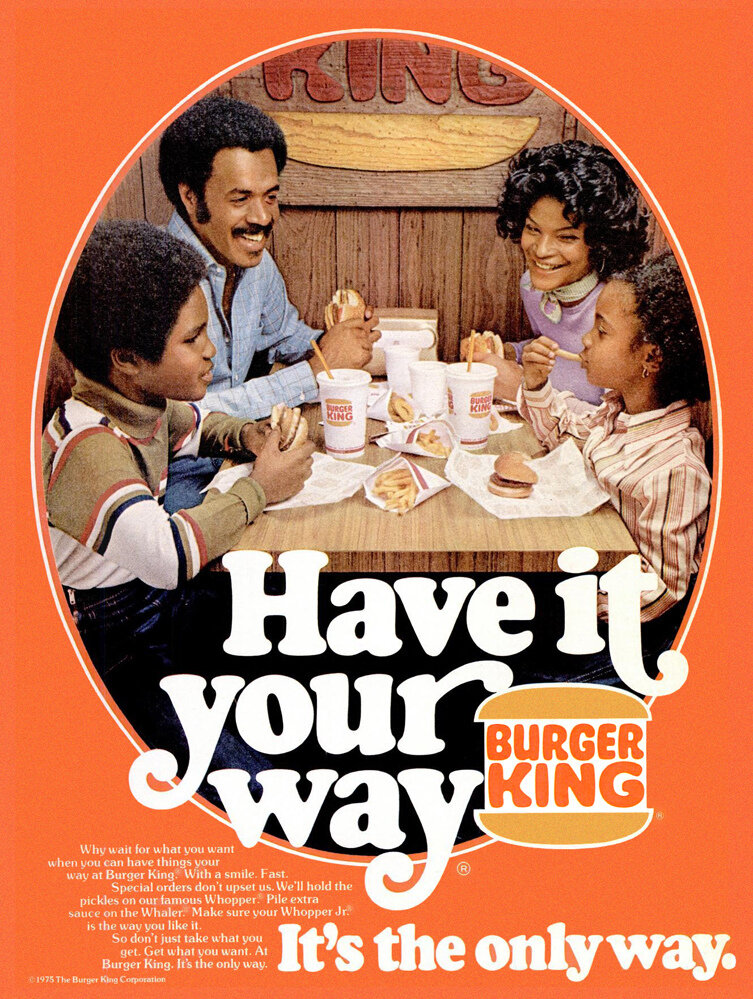
Designers today integrate and reinterpret these elements into fresh, innovative identities that feel both modern and retro. The evolution of Apple's logo traces the company's trajectory from a scrappy startup to an innovative leader. As products like the iPod and iPhone revolutionised consumer technology, the logo came to embody the company's commitment to sleek, intuitive design. Today, the stylised apple symbolises the brand's visionary thinking and never-ending quest to push the boundaries of what technology can achieve. Apple's deceptively simple logo reflects the sophistication and imagination at the heart of its efforts to put pioneering technology in people's hands. Film and television also saw massive growth, marked by the success of high-concept blockbusters like Star Wars and shows like Charlie's Angels.

Vibrant Color Palettes
Psychologists believe colour can impact moods and emotions, so 1970s designers harnessed this power through strategic colour choices. Hi, I'm Nick— a Philadelphia-based graphic designer with over 10 years of experience. Each year millions of users learn how to use design software to express their creativity using my tutorials here and on YouTube.
The Barbie logo history, from 1959 to the Barbie Movie - Creative Bloq
The Barbie logo history, from 1959 to the Barbie Movie.
Posted: Fri, 28 Jul 2023 07:00:00 GMT [source]
Send me tips, trends, freebies, updates & offers.
The unit also had different distortion lenses that made words take on different shapes. Let’s talk about your logo, branding or web development project today! Advancements in printing technology allowed for innovative design techniques, such as phototypesetting and offset printing.
The Legacy of 1970s Logos
This famous 70s logo design features a bold sans serif font that's squarish in form, which helps emphasize the digital quality of the game. If you're interested in learning more about logo design and branding, check out the workshop called 'Intro to Logo Design & Creative Branding' by George Dyson. This workshop will provide you with essential knowledge and skills to create memorable logos and develop a strong brand identity for your creative business. Pop culture had a massive influence on 80s design trends, especially the Sci-Fi genre, which was more popular. The style includes chunky text effects and cosmic gradients and fonts.
In general, this shift from traditional to modern in the 1970s logo change also mirrored the transition from old tech to new tech in the computer industry. The simplified, bold design has stood the test of time as one of the most recognisable tech logos worldwide. The Coca-Cola logo is one of the world's most iconic and recognisable symbols. In 1971, the company introduced a pivotal redesign that featured the dynamic ribbon – a flowing, bold script that captured the enthusiasm and excitement of the Coca-Cola brand.
70s Fashion
The decade is popular with a lot of huge festivals that were everywhere and anytime. Let’s take a look at some 70s poster design examples that were used to get people to events. This is one of the most iconic logos from HBO, and it hasn't gone through many changes since this. The only difference from the current logo is that the "O" is superimposed over the "B".
Design Artefacts from this decade
Fashion designers drew inspiration from these bold looks, incorporating them into their collections. Diane von Fürstenberg's iconic wrap dress epitomised 1970s style with vibrant prints and figure-flattering silhouettes. Its enormous popularity cemented the graphic, mod look in mainstream fashion.
The genesis of this now-ubiquitous logo is humbler than one might imagine. More apparel from the 70s including a nice mix and match of colors. Each color palette will be linked to the original source along with credit attributed within the caption. The HEX codes will also be cited under each image in case you’d like to copy and paste them directly from this post. Weekly updates on the latest design and architecture vacancies advertised on Dezeen Jobs.
Funkies 1970s Font (OTF, TTF)
Whimsical hand-lettering with uneven baselines, thick and thin strokes, and embellishments became popular. Calligraphy and script fonts also provided a more freeform alternative to traditional serif and sans-serif typefaces. Overall, typography took on a more personal, retro feel compared to the sleek minimalism of later decades. The bell bottoms of the 1970s originated from a nautical design but took on an exaggerated flare. Paired with platform shoes, they created an eye-catching silhouette.
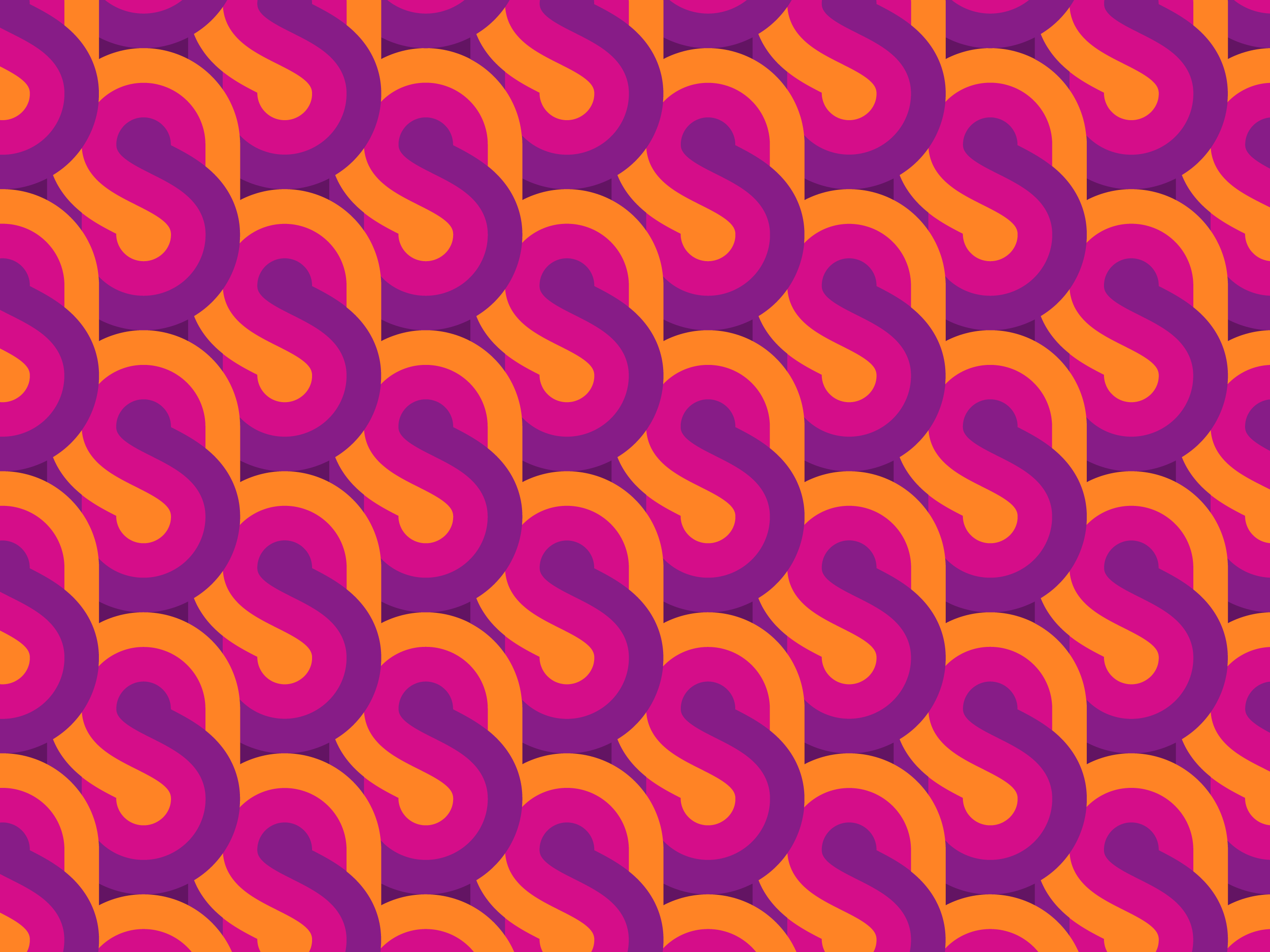
Freeform typography is the emergence of irregular and varied flowy freeform swashes with curly ends and curved edges, utilizing Visual Graphics PhotoTypositor typesetting techniques. The hand-drawn letters are bubble-like in shape with neon sign-inspired linework,, suitable for branding, logo design, and other marketing pieces. The psychedelic movement brought a whole new inspiration to artwork. The 60s, heavily influenced by mind-altering hallucinogenic drugs, became popular and emerged as the “psychedelic style,” soon seen spanning movies, art, fashion, and music. Just as designers were using simple forms to create representational motifs, others were using the same techniques to create fun patterns from repeated shapes. By combining swirling lines, geometric shapes, and overlapped circles, designers created some seriously mesmerizing patterns that demand attention.
Brands looking to tap into nostalgia often utilise the distinctive colour palettes, typography, shapes, and textures that were hallmarks of the 1970s. Triangles, circles, squares and variations are featured heavily in logos across all industries. These elemental forms conveyed a sense of balance, symmetry and mathematical precision. For instance, the iconic Adidas logo with its three parallel stripes embodied the sleek, structured aesthetic of the era. The geometric stripes evoked motion and speed, an ideal representation of an athletic apparel company. During this period, several key trends emerged that shaped the visual identity of major brands.
The Swoosh was easy to recreate faithfully in any medium, which is critical for branding coherence. This minimalist, abstract logo perfectly captured the essence of IBM's business strategy in the digital age. The stripped-down aesthetic symbolised innovation, while the bold lettering conveyed market dominance. The lack of serifs and sleek, geometric design echoed IBM's technologies' precision and cutting-edge nature.
Illustration with the classic earth tones that were so popular in the 70’s. In the meantime, we’re looking back at some of our most popular pieces online. The wonderfully minimalist Rainbow Beaver (aka “Amik” or the beaver mascot) was supposedly hated at the time. So it's really interesting to see what it looked like 40 years ago before computers took over. The 1971 rebrand proved tremendously successful at increasing recognition and enhancing Coca-Cola's global presence.




No comments:
Post a Comment